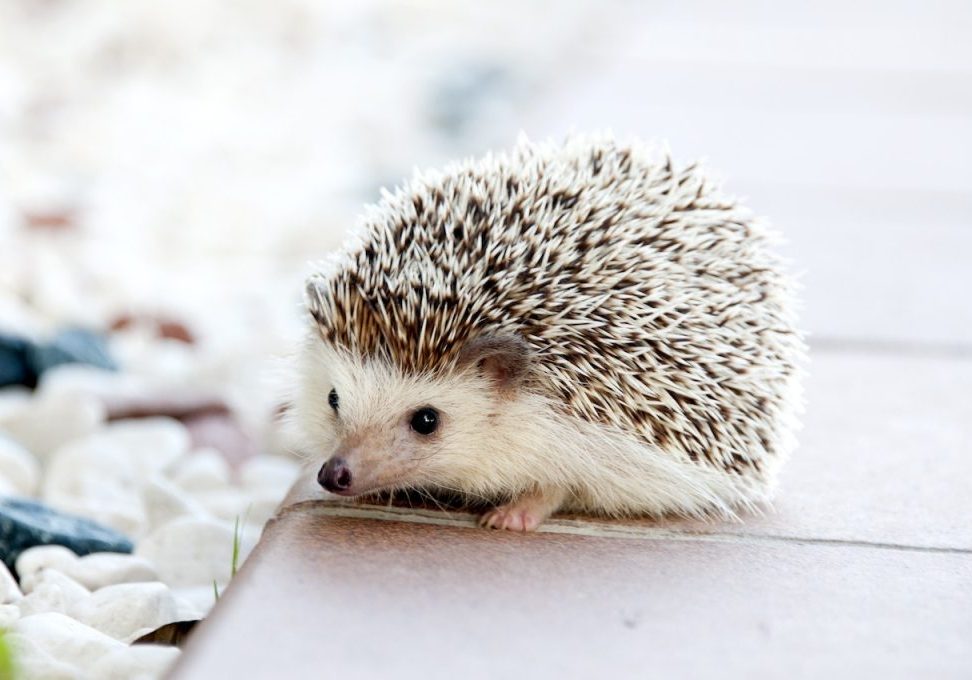

Over the last several years, the popularity of hedgehogs has exploded! It’s easy to see why; they’re cute, easy to care for, and exotic, making them a perfect choice for those seeking a unique pet. It’s important to understand, though, that they need daily care and a suitable environment in which to thrive. In this blog post, we’ll review all the information you need to know to take care of a hedgehog properly, so they live a long & healthy life.
Ready For Your First Headehog?
If you’re reading this and you don’t have a hedgehog yet, then you’re doing the first step right – research! Before you purchase a one, it’s important that you understand the commitment you’re getting yourself into and how to properly take care of a hedgehog. Apart from feeding, cleaning, and providing general care, you must remain patient as you socialize with your hedgehog each day so they become easier to hold. Otherwise, you ned up with a pet you can never touch or enjoy.
The Truth – Are Hedgehogs Good Pets?
Hedgehogs can be a great pet for the right person. They’re low-maintenance compared to other similar pets, like guinea pigs, and can form a bond with their pet owners over time. The caveat, though, is that they are nocturnal and solitary creatures. So, you must be okay with them being active at night and remain patient as you try to socialize and bond with your new pet.
Hedgehog Care 101
What Does Your Hedgehog Environment Need?
Hedgehogs need a cage that is spacious, well-ventilated, and plenty of opportunity for enrichment (room to explore or toys to play with). We recommend a wire cage with a solid floor. This will prevent the hedgehog’s feet from falling through and getting stuck. The cage should measure at least 24x24x12 inches and be filled with a suitable bedding material like wood shavings, which should be changed regularly.
Creating separate areas in your hedgehog’s cage for sleeping, eating, and elimination is important. Providing a small hideaway, such as a plastic igloo, will give your hedgehog a safe place to sleep. A shallow water dish, a portion of whole dog food, or a dish for their dry cat food should be provided. A litter box filled with non-clumping litter can encourage your hedgehog to eliminate it in a designated area.
Hedgehog Bath Supplies Kit, Bathtub and Cleaning Brush
 (opens in new tab)
Buy Now
(opens in new tab)

Learning How To Care For Your Hedgehog?
In this blog, we’ll review all the important ways of caring for your pet hedgehog! Everything from choosing a good living space, diet, exercise, grooming advice, socializing tips, and health monitoring.
Hedgehog Habitat Considerations
- Cage Size and Material
Hedgehogs need a decent amount of space to move around in and explore. A cage measuring 2ft by 2ft is a standard good size to go with, but the larger, the better. You’ll also want to use sturdy material, such as PVC or metal, with proper ventilation. Avoid using glass tanks, as they can cause humidity and ventilation issues.
- Bedding Options
Choose comfortable and safe materials for your hedgehog. Aspen shavings, paper-based bedding, or fleece liners are excellent choices. Avoid using cedar or pine shavings, as they can cause respiratory issues.
Living Space Comfort
- Maintain Proper Temperature
Hedgehogs are sensitive temperature changes, so try to maintain a consistent ambient temperature of 72-80°F (22-27°C) in their living space. If you live in an area that is mostly cold for the year, you may want to consider a heat-lamp or ceramic heat emitter to keep the cage warm. If you do this, get a thermostat to monitor it. You can easily attach these to the inside of the cage and check in person, or even use an app to monitor the temp remotely.
- Providing Adequate Lighting
Hedgehogs are nocturnal animals and need a consistent day-night cycle to maintain a healthy circadian rhythm. Around 12-14 hours of light and 10-12 hours of darkness daily should get adequate. You can use a timer to regulate the lighting schedule or keep the enclosure near a window, just not directly in front of it.
Feeding Your Hedgehog
- Diet Basics
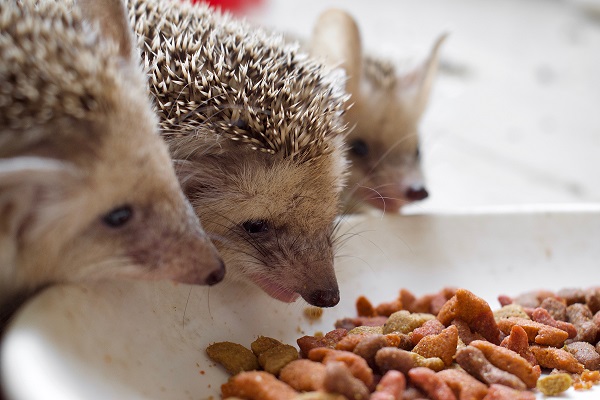
A balanced diet is essential for your hedgehog’s health. High-quality dry cat food with higher protein than fat is a suitable staple. It’s also important to introduce some fiber to the diet by including fruits and vegetables on occasion.
- Treats and Supplements
You can feed your hedgehog treats like live insects (e.g., mealworms or crickets) or cooked lean meats (e.g., chicken or turkey). Treats not only provide nutrients, but it also helps build that bond and trust between you and your hedgehog. You can either feed by hand, use long tweezer, or just put treats around the cage to encourage foraging.
Grooming and Hygiene Tips For Your Hedgehog
- Bathing Your Hedgehog
While hedgehogs are relatively clean animals, occasional baths are good for maintaining good hygiene. Use a shallow container, or even bathroom sink, fill it with warm water. Grab an old toothbrush and put some Dawn soap on it, then gently scrub your hedgehog’s quills and body. Be cautious not to get water in they eyes, ears, or nose. Rinse thoroughly and gently towel dry, ensuring your hedgehog stays warm. Warning, sometimes the warm water may really trigger your hedgehog to go poop, so be prepared with a little tissue or something to pick it up with.
- Nail Trimming
Regular nail trimming is essential for your hedgehog’s comfort and well-being. Without it, their nails will get long, collect debris underneath, and potentially curl back and poke your hedgehog. Use pet-specific nail clippers to cut the tips of the nails, being cautious not to cut into the quick (the pink part inside the nail). If you need help trimming your hedgehog’s nails, ask your veterinarian for help.
Handling & Socializing Your Hedgehog
- Bonding Techniques
They key here is time and patience. You can start by spending time near the cage, talking softly, and offering mealworm treats to help them become familiar with your presence. You can also use a fleece pouch or blanket to hold your hedgehog, making them feel secure while getting used to your scent.
- Handling Tips
Handling your hedgehog can seem intimidating, so you’ll want to approach them slowly and calmly. Scoop them up from the side or underneath rather than reaching above, support their body and legs, and always handle them gently. Avoid picking them up when they’re acting defensive, and be patient as the bond grows.
Hedgehog Exercise and Enrichment
- Exercise Wheel
One of the best toys you can get your hedgehog is a wheel! We advise you to get one that has a solid surface large enough for your hedgehog to run comfortably in without falling off. This will also prevent your hedgehog’s feet from falling through a little gap and potentially injuring itself. Regular exercise helps maintain a healthy weight and provides mental stimulation.
- Toys and Activities
Enrichment is an essential part of raising a healthy and thriving hedgehog. To keep them engaged and entertained, provide a variety of toys and activities, such as tunnels, hiding spots, and small toys. Alternatively, you can also occasionally switch up the setup of your enclosure or take them outside on some grass to explore. If your hedgehog ignores some toys, you can rotate them in and out to keep it fresh and new for your pet hedgy.
Health Monitoring and Preventive Care
How Do I Know If My Hedgehog Is Sick?
Monitoring your hedgehog’s behavior and appearance for signs of illness is essential. Several symptoms you should watch out for include wobbling walking, decreased appetite, weight loss, and difficulty breathing. If you notice any of these signs, consult a veterinarian experienced in treating hedgehogs as soon as possible.
We recommend scheduling regular check-ups with a veterinarian experienced in treating hedgehogs. This will ensure that if something is going on, it’s caught quickly and not too late to treat.
What Should I Feed My Hedgehog?
As mentioned earlier, a hedgehog’s diet should consist primarily of high-quality dry cat food, providing the necessary protein and nutrients for a healthy life. Supplementing their diet with live insects, such as mealworms and crickets, will also help meet their nutritional requirements. It’s essential to avoid feeding your hedgehog foods high in fat or sugar, as this can lead to health issues such as fatty liver disease. Additionally, always provide a full water bottle or shallow dish of fresh water to keep your hedgehog properly hydrated.
Common Hedgehog Health Problems
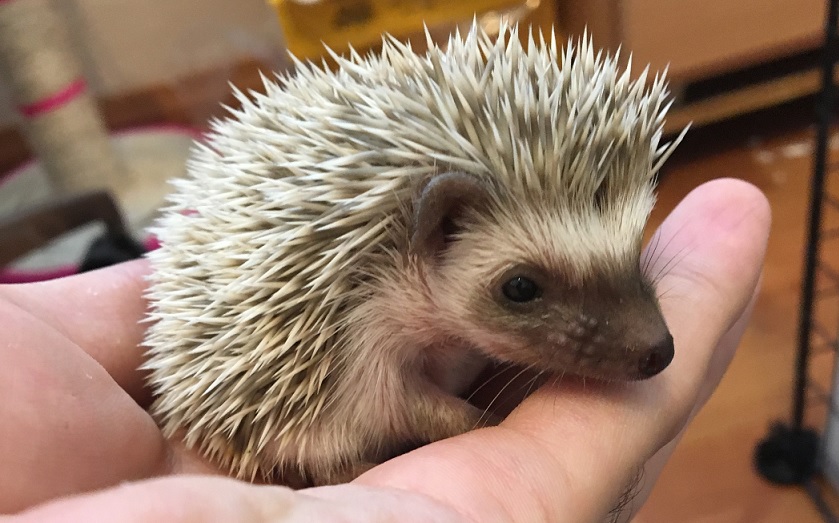
Hedgehogs can suffer from various health issues, some of which include:
Obesity
One of the most useful and common health problems that hedgehogs face is obesity. This is often caused by overfeeding and needing to provide more opportunities for exercise. To prevent obesity, it’s important to feed your hedgehog a balanced diet and provide them with plenty of opportunities and needs to run around and play.
Dental Issues
Hedgehogs are prone to dental issues, particularly if they are not given enough hard objects to chew on. This can lead to overgrown teeth, which can cause discomfort and even prevent your hedgehog from being able to eat properly. To prevent dental issues, providing your hedgehog with plenty of chew toys and hard objects to gnaw on is important.
Respiratory Infections
Respiratory infections are also common in hedgehogs and can be caused by different and various factors, including poor ventilation and dirty bedding. Symptoms of a respiratory infection can include coughing, sneezing, and wheezing. If you suspect that your hedgehog has a respiratory infection, it’s important to seek veterinary care immediately.
Skin Issues
Hedgehogs can also suffer from various skin issues, including mites, fungal infections, and dry skin. Symptoms of skin issues can include hair loss, scaly patches, and itching. To prevent skin issues, it’s important to keep your hedgehog’s enclosure clean and to provide them with a healthy diet.
Boarding for Your Pet Hedgehog
If you plan to travel and need to find temporary care for your hedgehog, consider boarding them at a pet store or a facility experienced in caring for exotic pets. Research local pet stores and boarding facilities, and ask for recommendations from fellow hedgehog owners to ensure you find a reputable and knowledgeable caretaker for your pet.
What causes wobbly hedgehog syndrome?
Wobbly Hedgehog Syndrome (WHS) is a neurological disease that affects hedgehogs. The exact cause of WHS is not yet fully understood, but it is believed to be caused by a degeneration of the nervous system, particularly the spinal cord.
Evidence suggests that a genetic component may play a role in the development of WHS. Some research suggests that the disease may be inherited in an autosomal l recessive manner, meaning that both parents must carry the same gene mutation for the disease to be passed on to their offspring.
Other factors that may contribute to the development of WHS include environmental factors such as diet, stress, and exposure to toxins. However, more research is needed to fully understand the complex factors contributing to developing of this disease.
Conclusion
Caring for a simple African pygmy hedgehog requires dedication and understanding of their unique needs. Providing the hedgehog owner with a comfortable home, proper nutrition, and regular grooming ensures your pet hedgehog lives a healthy and happy life. Always monitor your hedgehog for signs of illness and consult with an experienced veterinarian when needed.
Recommended Products:


Hedgehog Bath Supplies Kit, Bathtub and Cleaning Brush
(opens in new tab)
Buy Now
(opens in new tab)
FAQs
Are hedgehogs easy to take care of?
Baby Hedgehogs are relatively low-maintenance pets, but they do have specific care needs and requirements that must be met to ensure their health and happiness. Proper research and understanding of their needs are essential for successfully taking care of a hedgehog.
Do hedgehogs like to be cuddled?
While some hedgehogs may tolerate or even enjoy cuddling, it depends on the individual animal’s personality. Some hedgehogs may be more aloof, while others may form a strong bond with their owner and enjoy human interaction.
Do hedgehogs need daily care?
Yes, hedgehogs require daily care, including fresh food and water, proper care and a clean living environment. Regular socialization and handling are also necessary to help your hedgehog become comfortable with human interaction.
Do hedgehogs like to be held?
Some hedgehogs may enjoy being held, while others prefer to explore independently. It’s essential to approach your hedgehog gently and calmly, allowing them to become accustomed to your presence and handling over time.
Can hedgehogs eat vegetables? Yes, hedgehogs can eat vegetables as part of their diet. However, it is important to note that hedgehogs are primarily insectivores and require a diet high in protein. Therefore, vegetables should only be given to them in moderation as a supplement to their main diet. Some vegetables that are safe for both pet and wild hedgehogs to eat include carrots, green beans, peas, and sweet potatoes. It is always best to consult with a veterinarian or a qualified animal nutritionist for specific dietary recommendations for your hedgehog.